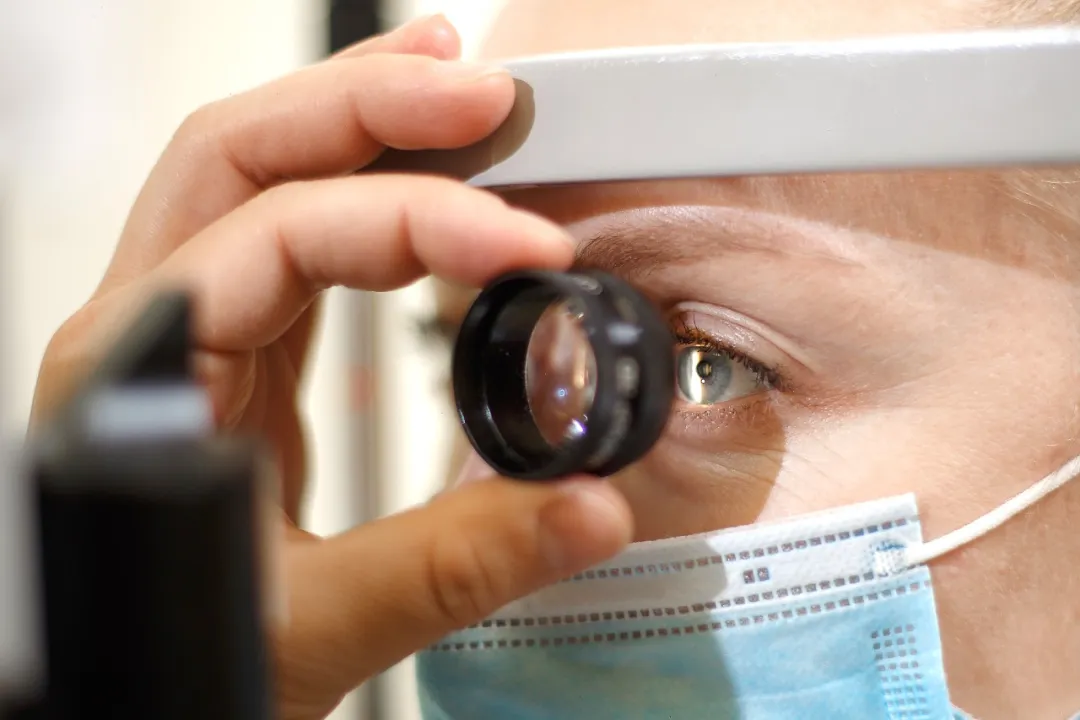
Scrolling on your phone, staring at a computer — do your eyes feel dry, itchy, or like there is sand stuck in them? Stop brushing these off as "minor issues." The ophthalmology department of Shanghai HePing Eye Hospital, affiliated with Shanghai University, warns: these are the early warning signs of dry eye syndrome. Catching it early and intervening in time is the only way to effectively protect your eye health.
What Exactly Is Dry Eye?
Dry eye is not simply "the eyes lacking water." It is a group of ocular surface diseases in which, because tear production is insufficient, tears evaporate too quickly, or their composition is abnormal, the tear film becomes unstable and is accompanied by inflammation. Common symptoms include dryness, a foreign-body sensation, burning, light sensitivity, redness and itching, and brief episodes of blurred vision.
Under normal conditions, the eye's surface is protected by a stable three-layer tear film made of lipids, aqueous fluid, and mucin. This film keeps the ocular surface moist, maintains clear vision, and defends against irritation. The moment this balance is lost, dry eye sets in.
Dry Eye Has Five Main Types
Dry eye is not one single condition. Clinically it is divided into five main categories, and each requires a different management strategy:
1. Aqueous-Deficient Dry Eye
The core problem is an absolute shortage in the amount of tears produced. Management focuses on supplementing the tear film — primarily with artificial tears.
2. Evaporative Dry Eye
Most often caused by meibomian gland dysfunction (MGD), tears evaporate far too quickly. Management focuses on improving meibomian gland function and reducing evaporation.
3. Mucin-Deficient Dry Eye
The "mucin" component of the tear film is under-supplied. Management focuses on repairing the ocular surface epithelium and its goblet cells.
4. Tear-Film Instability / Abnormal Dynamics
The distribution, drainage, or overall dynamics of the tears go wrong, so the film cannot stay stable across the eye surface.
5. Mixed Dry Eye
In real clinical practice, most patients actually have the mixed type. Because different types call for different interventions, a typed diagnosis and precise, individualized treatment are essential.
How Is Dry Eye Treated?
Dry eye is a chronic disease that needs long-term management. The treatment principle is: remove the triggers, treat the symptoms, reduce inflammation and repair the surface, and rebuild a stable tear film.
1. Artificial Tears
Choose the right artificial tears for the severity and type of your dry eye, and use them correctly under a doctor's guidance.
2. Anti-Inflammatory Treatment
For moderate-to-severe dry eye that involves ocular surface inflammation, anti-inflammatory therapy is very important — it addresses the underlying inflammation, not just the discomfort.
3. "Eye SPA" — Atomization Fumigation + Meibomian Gland Massage
Combining mist fumigation with meibomian gland massage effectively unblocks obstructed glands, improves ocular circulation, and relieves eye fatigue. It reduces dryness, gritty sensation, fatigue, and burning, and improves tear-film quality at its root.
4. Intense Pulsed Light (IPL) Therapy
Through a photothermal effect, IPL closes off dilated capillaries, reduces inflammation, and softens and clears meibomian lipid plugs. This rebuilds a stable lipid layer and, in turn, relieves dry eye.
Daily Prevention Tips
Good habits do as much as any drop. Protect your eyes with these six steps:
- Build healthy screen habits: limit time on electronic devices and get enough sleep.
- Eat a light diet rich in antioxidants — vitamins A, C, and E — to support ocular surface health.
- Keep indoor air humid; in dry winter months, use a humidifier to slow tear evaporation.
- Practice eye hygiene and keep the lid margins clean — this lowers the risk of gland blockage and inflammation. Heavy makeup wearers should be especially careful.
- Get regular eye examinations so problems are caught early and treated early.
- If dryness, stinging, or fatigue lasts more than two weeks and does not improve, see a doctor promptly.
Dry eye is common, but it should never be taken lightly. With the right diagnosis, the right treatment, and the right daily habits, you can keep your eyes comfortable, clear, and healthy — even in a screen-filled world.