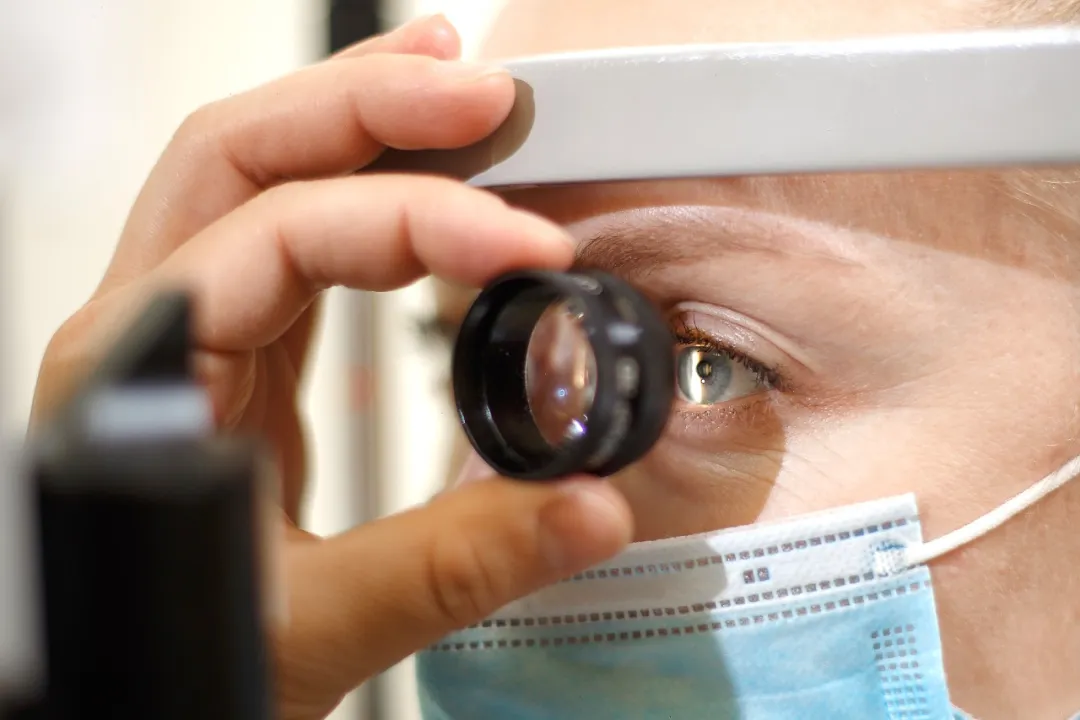
At 41, Mr. Zheng looked healthy enough. What he did not realize was that six years of poorly controlled diabetes had been quietly damaging the blood vessels at the back of his eyes. When his vision began to blur and distort, a visit to Shanghai HePing Eye Hospital revealed the truth: diabetic retinopathy, already advanced enough to threaten his sight.
His doctors warned that without better blood-sugar control and timely treatment, the next step could be irreversible vision loss — or retinal detachment and blindness.
What Is Diabetic Retinopathy?
Diabetic retinopathy, often called "sugar eye," is a diabetes-related disease that damages the retina, the light-sensitive tissue lining the back of the eye. It develops when chronically high blood sugar injures the tiny blood vessels that feed the retina, leading to leakage, swelling, and poor oxygen supply.
Over time, the retina may respond by growing fragile new vessels that bleed easily. If left untreated, scar tissue can form and pull the retina away from the eye wall, causing tractional retinal detachment and permanent blindness.
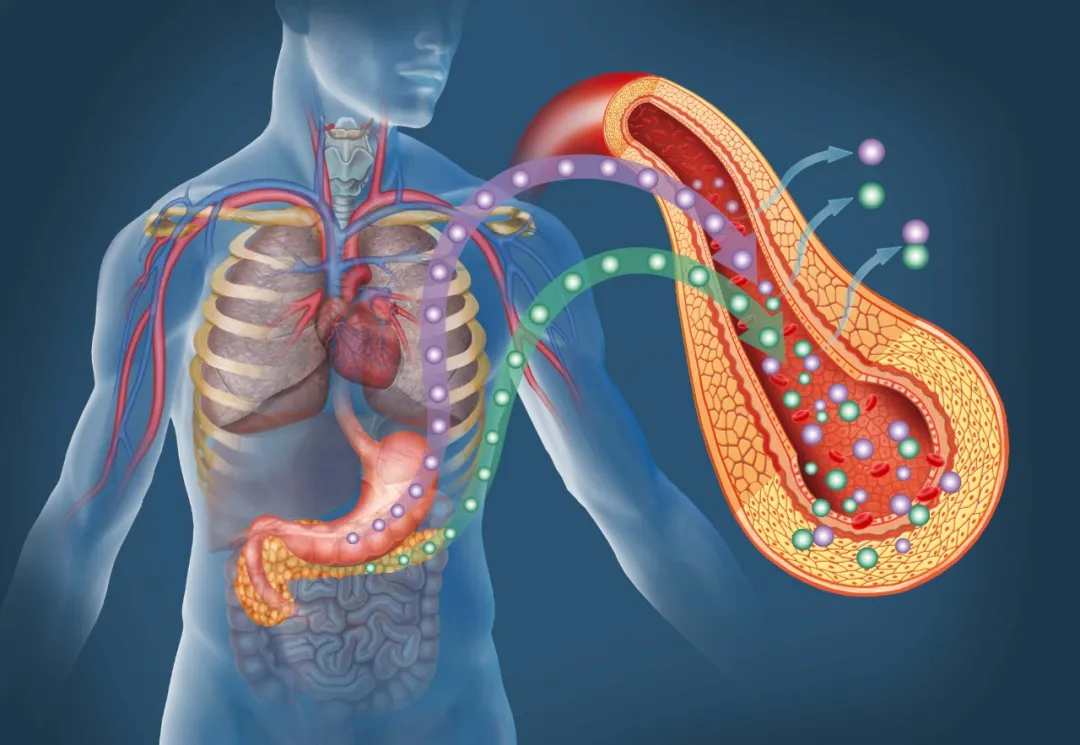
Chronic hyperglycemia damages the delicate blood vessels of the retina, triggering leakage, swelling, and abnormal new-vessel growth.
A Common Story: "I Thought I Was Too Young to Worry"
When Mr. Zheng was first diagnosed with diabetes at age 35, he ignored his family's advice. He felt fine, worked long hours, and rarely checked his blood sugar. Medication was taken inconsistently; diet and sleep habits were poor.
Over the past two months, he noticed that objects looked hazy and straight lines seemed wavy. At Shanghai HePing Eye Hospital, the retina team performed wide-field fundus imaging and optical coherence tomography (OCT). The diagnosis was diabetic retinopathy with diabetic macular edema. Treatment included retinal laser photocoagulation and intravitreal anti-VEGF injections. His vision gradually improved.
"I never thought diabetes would affect my eyes," he said afterward. "From now on, I will control my blood sugar, take my medication, and have my eyes checked regularly."

Blood-sugar monitoring is only part of diabetes care. Eye complications can progress silently even when glucose readings seem acceptable.
Why Early Detection Is Hard
Diabetic retinopathy is often silent in its early stages. Many patients first seek help only after significant vision decline, when treatment can preserve sight but may not fully restore it. In China, roughly one in ten adults has diabetes, and the disease is increasingly affecting younger people.
Research shows that the first five years of diabetes are a high-risk window for retinopathy. The longer a person has diabetes, the higher the risk becomes. Other factors such as high blood pressure and high cholesterol accelerate the damage.
Know the Warning Signs
Diabetic retinopathy can develop without pain. People with diabetes should seek urgent ophthalmic evaluation if they notice any of the following symptoms.
Blurred or fluctuating vision, especially after meals or in the evening.
Dark spots, floaters, or cobweb-like shadows in the vision.
Distorted vision: straight lines appearing wavy or bent.
Difficulty reading, driving, or recognizing faces.
Partial vision loss or a shadow in part of the visual field.
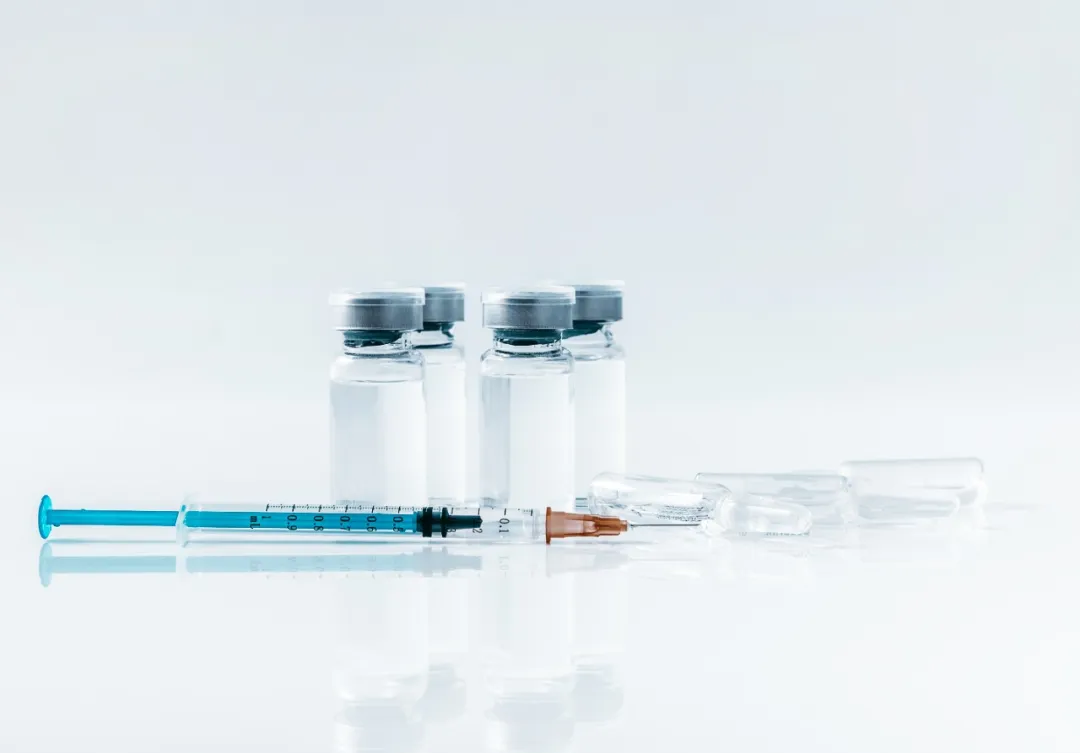
Anti-VEGF injections are a standard treatment for diabetic macular edema and proliferative retinopathy.
How Diabetic Retinopathy Is Treated
Treatment depends on the stage and location of the disease. At Shanghai HePing Eye Hospital, the retina team personalizes care based on detailed imaging and the patient's overall health.
Laser Photocoagulation
Retinal laser treatment seals leaking blood vessels and reduces abnormal new-vessel growth. It has been a cornerstone of diabetic eye care for decades and can prevent severe vision loss when applied early.
Anti-VEGF Injections
Medications injected into the vitreous cavity block vascular endothelial growth factor (VEGF), reducing leakage and swelling in the macula. These injections are often used for diabetic macular edema and proliferative retinopathy.
Vitrectomy Surgery
When there is severe bleeding into the vitreous gel or tractional retinal detachment, micro-incision vitrectomy removes the blood and scar tissue, allowing the retina to settle back into place.

Wide-field fundus photography and OCT provide detailed, layer-by-layer views of the retina for early diagnosis and treatment planning.
Prevention: What Every Diabetic Should Do
The retina specialists at Shanghai HePing Eye Hospital emphasize that most diabetes-related vision loss is preventable with three simple habits.
Control blood sugar, blood pressure, and blood lipids. Follow your physician's medication plan, monitor glucose regularly, and maintain a balanced diet.
Have a comprehensive dilated eye examination at least once a year, even if your vision feels normal. Those with existing retinopathy may need follow-up every three to six months.
Seek immediate care for any sudden change in vision. Early intervention is the most reliable way to preserve sight.
"Diabetic retinopathy often has no symptoms until it is advanced," the medical team explains. "Annual screening lets us find changes early, when treatment is most effective and vision is easiest to protect."
When to Contact Us
If you have diabetes and have not had a retina examination in the past year, schedule a screening. If you have diabetes and notice new floaters, blurred vision, or distorted vision, do not wait — early treatment can make the difference between preserved sight and permanent loss.
Shanghai HePing Eye Hospital provides English-speaking and multilingual retina consultations for international patients, combining advanced imaging, experienced vitreoretinal surgeons, and coordinated follow-up care.